How to meter energy per tenant in shopping centers, industrial parks and free trade zones with the meters you already have
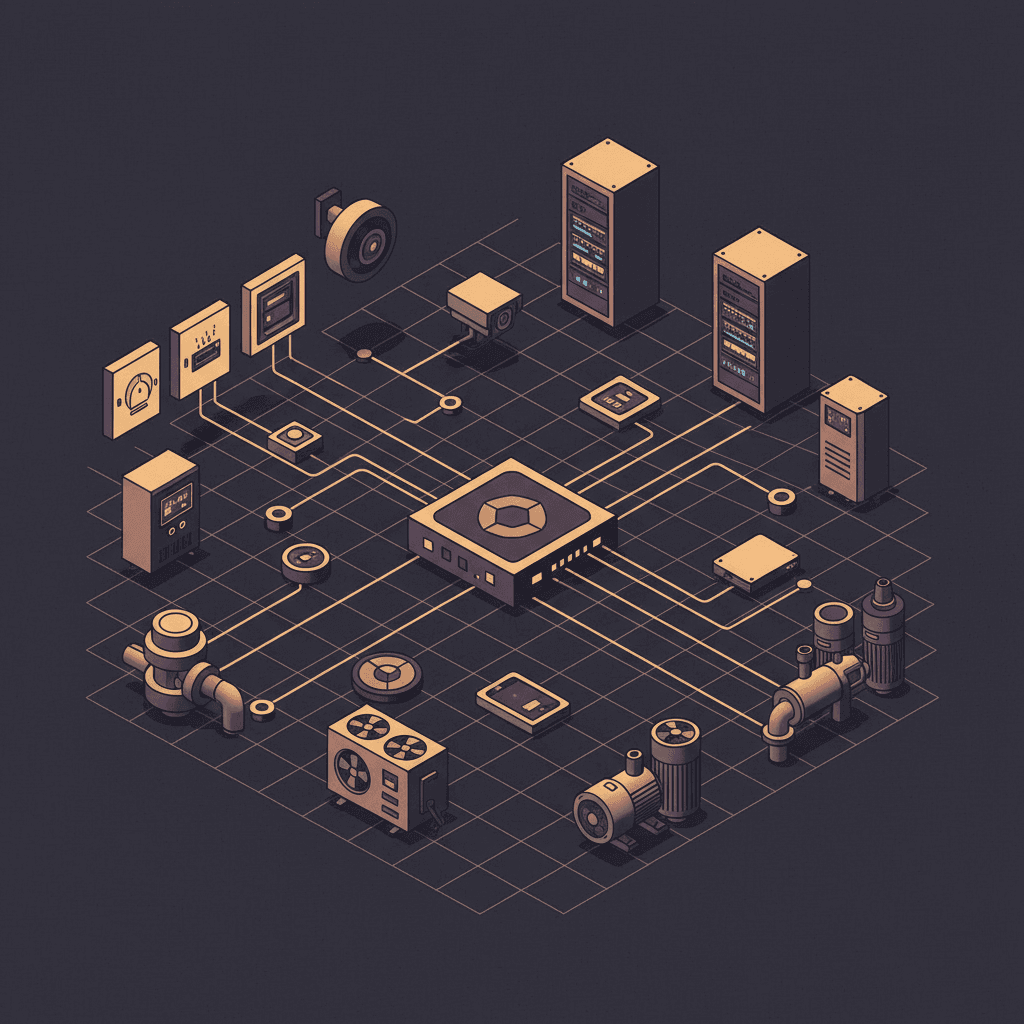
To meter the energy of each store, warehouse or tenant you do not need to replace meters or do civil works: the energy meters and power analyzers already installed connect to a platform that shows each user's consumption separately, with history and reports by period, and reconciles the consolidated energy bill against per-user metering. This is often called tenant submetering. At GSS Analytix it is done by Phantom Shield gateways and the Reveal platform. This guide explains what is measured, how it works, how the bill is split and reconciled, when you don't need it and where it is already in use.
What is measured per store, warehouse or tenant
- Energy use (kWh) of each store, warehouse or tenant, with its history
- Voltage and current per phase, and frequency, at every metering point
- Active, reactive and apparent power, and power factor
- Electrical events and supply anomalies, in real time
- The metering points of the property management or common-property administration, alongside each user's
- The substation's electrical variables and the status of the site's backup generators and UPS units
What can be read depends on what each meter already exposes. No meters are replaced, no firmware is changed and no civil works are needed.
How it works: a metering layer on top of the installed meters
- 1Connect. Phantom Shield, physical or virtual, reads existing energy meters and power analyzers over Modbus RTU/TCP, BACnet, SNMP, MQTT or HTTP/REST. Where wiring to every store or warehouse is hard, Modbus-to-LoRaWAN converters carry the readings wirelessly.
- 2Collect. The gateway stores readings locally (store and forward): if the internet drops, data syncs on reconnect.
- 3Normalize. Reveal maps every signal into a common semantic layer (Brick), so meters from different brands compare the same way.
- 4Separate and reconcile. Reveal shows the consumption of each store, warehouse or tenant separately, with history and reports by period, and crosses per-user metering with the utility's bill.
- 5Act. Alerts via WhatsApp, email or ticketing when a variable goes out of range, and audit-ready reports, with traceability for every reading.
Split and reconcile the consolidated bill, user by user
When the site receives a single energy bill and splits it among its users, Reveal delivers the metered consumption of each store, warehouse or tenant for the period and crosses it with the energy billed by the utility. Differences between billed energy and actual per-user metering show up as billing gaps, and every billed kilowatt is verified against actual metering.
This replaces reading each meter by hand, a process exposed to differences from reading times, consumption swings or recording errors. History is kept so earlier periods can be reviewed and to support the management, billing and reconciliation of consumption.
Energy, backup and shared infrastructure in one view
The same platform supervises what the whole site shares: the substation's electrical variables, the generators and UPS units that must be ready to take load during an outage, fuel levels, water tanks and the fire protection network. Reveal correlates those signals, so a grid event and a transfer to the generator are read together.
If you manage several shopping centers, parks or sites, Reveal normalizes the readings of all of them into a common layer and compares them in one view, with before/after comparisons for schedule or equipment changes.
When there is no wiring to every meter yet
In industrial parks and free trade zones with separate warehouses, a LoRaWAN network can carry the readings without running cable to each warehouse. At an industrial park in a free trade zone in Colombia, the network has one Border Gateway (PS LoRaWAN) and three Relay Gateways, and is ready to add the energy meters of its 32 warehouses.
When you don't need it
- Each store has its own contract with the utility and pays its own bill: there is no consolidated bill to split
- You have few meters, someone on your team reads them every month and the total matches the bill
- What you want is to replace the meters: this guide is about reading the ones already installed, not replacing them
- What you want is the accounting software you use to invoice and collect from each tenant: Reveal provides the per-user metering, history and period reports that process needs
If you split a consolidated bill among many users, read meters by hand or cannot explain the gap between what is billed and what is metered, that is where centralized metering replaces on-site reading and manual reconciliation.
Where it is already in use
Industrial park in a free trade zone, Colombia
Being deployed: 3 common-property metering points and the fire protection network over LoRaWAN, ready to add the meters of 32 warehouses and reconcile the consolidated bill.
Large shopping center, Bogotá
Three Phantom Shield L0 gateways and 10 primary connections supervise the substation's electrical variables and the level of 4 water tanks, with automatic alerts.
High-complexity medical center, Colombia
17 zone-distributed power meters, 7 backup generators and 2 fire detection systems in a single platform, with 26 primary connections.
Related pages
- Energy and power quality monitoring across sites
- Infrastructure control in free trade zones
- Energy per warehouse and tenant
- Case: energy and fire protection in a free trade zone
- Case: water tanks and substation at a shopping center
- Case: power continuity at a medical center
- Data acquisition from existing equipment
- Monitoring on top of your existing BMS
- Phantom Shield: the gateway
- Reveal: the platform
- GSS Analytix FAQ
FAQ: energy metering per tenant
How do you meter energy per tenant in a shopping mall without replacing the meters?
With GSS Analytix, a Phantom Shield gateway reads the energy meters and power analyzers already installed over Modbus, BACnet, SNMP or MQTT, and the Reveal platform shows each tenant's consumption separately, with history and reports by period. No meters are replaced and no firmware is changed.
What is tenant submetering?
It is metering separately the consumption of each store, warehouse or tenant that shares one supply, so a consolidated bill can be split according to what each one used. Reveal does it with the meters the site already has and reconciles the consolidated bill against per-user metering.
How is the utility bill reconciled against each user's metering?
Reveal crosses the actual metering of each store, warehouse or user for the period with the energy billed by the utility. Differences show up as billing gaps, and every billed kilowatt is verified against actual metering.
What if the warehouse meters are far away or there is no wiring?
Where wiring is hard, Modbus-to-LoRaWAN converters carry the readings wirelessly. At an industrial park in a free trade zone in Colombia, a LoRaWAN network with one Border Gateway and three Relay Gateways is ready for the meters of its 32 warehouses.
What else can be supervised at the same site?
The substation's electrical variables, backup generators and UPS units, fuel levels, water tanks and the fire protection network, on the same platform and with alerts via WhatsApp, email or ticketing.
Does it work if I manage several shopping centers or industrial parks?
Yes. Reveal normalizes the readings of every site into a common layer and shows them in one view, so it compares consumption across sites and flags the ones that drift from normal.
How is a per-tenant metering project priced?
Projects are sized by primary connection: each meter or data source connected through Phantom Shield counts as one. Tell us how many stores, warehouses and meters you have and we will prepare a proposal.
How many stores or warehouses do you want to meter?
Tell us how many stores, warehouses or tenants you have, which meters are installed and how you split the energy bill today, and we will prepare a proposal without replacing what you already have installed.