How to monitor the health of DVRs, NVRs and cameras across brands and many sites
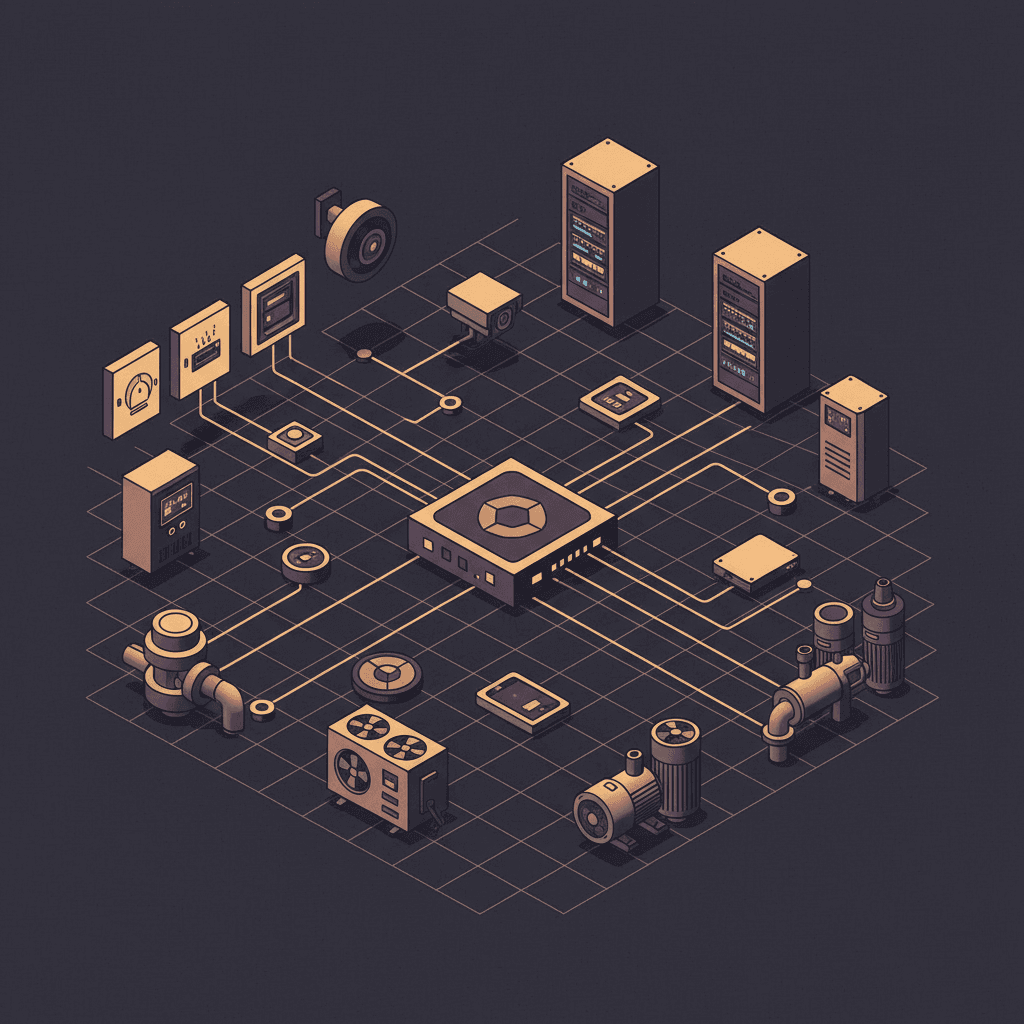
To monitor the health of DVRs and NVRs from different brands across many sites, you don't need to replace the recorders: the ones you already have connect to a platform that continuously checks every recorder, hard drive, channel and camera, and alerts when a camera goes offline, a drive degrades, recording stops or a recorder drops offline. At GSS Analytix this is Reveal CCTV, using physical or virtual Phantom Shield gateways deployed read-only for cybersecurity. This guide covers what is monitored, how it works, when you don't need it and results from real operations.
What is monitored at each site
- DVR and NVR recorders: availability, connection status and intermittent disconnections, so you know when a recorder goes offline
- Cameras and video channels: active versus configured cameras, disconnected cameras and video channel loss, on analog or IP cameras
- Recording hard drives: write errors, bad sectors, reduced capacity and total failures, before storage loss leaves gaps in recording
- Simultaneous drop of several cameras on the same recorder, which points to the recorder, the network switch or the power supply rather than each camera
- Absence of motion detection: if a camera configured for motion detection stops registering events, it may indicate a sensor failure, visual field obstruction or misconfiguration
- Firmware version of every recorder, to find deviations across large fleets
- Recurring failure patterns per device, with a history to decide maintenance and replacements
In sensitive contexts such as CCTV, Phantom Shield is deployed read-only for cybersecurity: it reads the status of the video equipment without changing its configuration.
How it works: from device-by-device checks to one view
- 1Connect. One Phantom Shield gateway per site, physical or virtual, connects to the DVR and NVR recorders already installed, from different brands and models; CCTV/ONVIF is among the protocols it supports. Where a cloud-hosted virtual gateway is used, no additional physical hardware is needed at the site.
- 2Supervise. Reveal continuously checks each recorder's availability and connection status, active versus configured video channels, hard drive status and firmware version.
- 3Detect. Reveal identifies disk degradation, intermittent disconnections and failure patterns before recording coverage is lost, and tells whether the problem is a camera, a whole recorder, a network switch or the power supply.
- 4Alert. Each failure triggers an alert via WhatsApp, email or ticketing and appears on the alert dashboard, with complete incident traceability from detection to resolution.
- 5Decide. Per-device failure history supports maintenance and replacement decisions and leaves audit evidence: what failed, when it was detected, when it was resolved and which coverage was compromised.
Multi-brand and multisite, without replacing recorders
Most multisite operations run recorders of different brands, models and ages, with analog and IP cameras mixed together, and each brand with its own software. Reveal unifies the status of all of them in one platform, regardless of manufacturer: you don't need to standardize brands or replace a working video management system to get cross-site visibility.
Each new site joins the same view, with the same rules and alerts. Supervision moves from on-site rounds to management by exception: the technical team handles the disconnected recorder, the offline camera or the failing drive instead of checking every recorder one by one.
Also: existing cameras as sensors
The same cameras can provide operational data. Where a direct connection to a device is not possible or cost-effective, Reveal can collect data from existing CCTV images: cameras capture pressure gauges, level indicators, displays and industrial signal lights, and computer vision models extract the readings at the edge and turn them into structured data in the same platform.
When you don't need it
- You have a single site with a few recorders and someone checks their status every day
- All your recorders are from one brand, you already receive and act on health alerts from its own software and you don't need to cross-check CCTV with other systems
- What you want is to change your recording system: this guide is about supervising the health of the equipment you already have, not replacing it
If you have dozens of recorders across several sites, mixed brands or failures you only discover when you need to review a video, that is where centralized supervision replaces on-site checks and shrinks the windows without recording.
Results in real operations
Nationwide automotive distributor, Colombia
Over 1,700 cameras and 180 DVR/NVR recorders moved from manual device-by-device checks to one platform with alerts via WhatsApp, email and dashboard.
Industrial operation with 3 plants, Colombia
Over 200 cameras and 24 DVR recorders across 3 sites, supervised through a cloud-hosted virtual gateway, with no additional physical hardware installed at the sites.
Heavy machinery distributor, Colombia
26 video recorders (17 NVR and 9 DVR), the alarm panel and the fire panel in one platform: 28 primary connections through a single Phantom Shield gateway.
Related pages
FAQ: DVR and NVR health monitoring across brands
How do you monitor the health of DVRs and NVRs from different brands in one platform?
By connecting the recorders you already have to a platform that does not depend on the manufacturer. Reveal CCTV connects with DVR and NVR recorders of different brands and models through a physical or virtual Phantom Shield gateway, and brings into one view each recorder's availability, its video channels, the status of its hard drives and its cameras. It is deployed read-only, without changing the configuration of the video equipment.
Which failures does it detect: offline cameras, video loss, drives and offline recorders?
It detects disconnected cameras and differences between configured and active cameras, video channel loss, hard drive degradation or failure (write errors, reduced capacity, total failures), recording failures, recorders that are offline or disconnect intermittently, and simultaneous drops of several cameras on the same recorder. It also tracks each recorder's firmware version and records recurring failure patterns.
How do you centralize camera-offline alerts from many sites?
Every site reports to the same platform. Reveal continuously checks every camera, channel and drive and alerts via WhatsApp, email or ticketing when a camera goes offline, a drive fails or recording stops, with incident traceability through to resolution. That is how, for example, over 1,700 cameras and 180 recorders are supervised for a nationwide automotive operation in Colombia.
Do I have to replace my recorders or change their configuration?
No. Reveal CCTV works with the DVR and NVR recorders already installed, from different brands, models and ages, with analog or IP cameras. In sensitive contexts such as CCTV, the gateway is deployed read-only for cybersecurity and does not change the configuration of the video equipment. You don't need to replace a working video management system either.
Do I need hardware at every site, and how is a project sized?
It depends on the architecture. At an industrial operation with 3 plants, supervision of over 200 cameras and 24 recorders runs through a cloud-hosted virtual gateway, with no additional physical hardware at the sites; at other sites a Phantom Shield gateway is installed. Projects are sized by primary connection: at a heavy machinery site, 26 recorders, an alarm panel and a fire panel add up to 28 primary connections.
Can CCTV be integrated with alarms, fire detection and video analytics?
Yes. At a heavy machinery site, Reveal unified 26 video recorders, the alarm panel and the fire detection panel in one platform, with automatic alerts for recording failures, security events and fire risk conditions. At an industrial operation with 3 plants it also integrated the gate video analytics, with people and vehicle detection.
Can the cameras I already have work as sensors?
Yes, where a direct connection to a device is not possible or cost-effective. Reveal can collect data from existing CCTV images: cameras capture pressure gauges, level indicators, displays and industrial signal lights, and computer vision models extract the readings at the edge and turn them into structured data in the same platform that manages the other assets.
How many recorders and sites do you want to supervise?
Projects are sized by primary connection. Tell us how many sites you have, how many DVR and NVR recorders sit at each one and whether they come from different brands, and we prepare a proposal with Reveal CCTV.