Active Level Monitoring (Water, Fuel, Other) for Efficient Purchasing and Availability
Real-time monitoring of water tank, fuel, and other supply levels to optimize purchasing, prevent disruptions, and reduce losses from excess or shortage.
We reveal real-time levels of tanks, fuel deposits, and other supplies, generating alerts for low levels or atypical consumption. This optimizes purchasing, prevents operational disruptions, and reduces losses from excess or shortage.
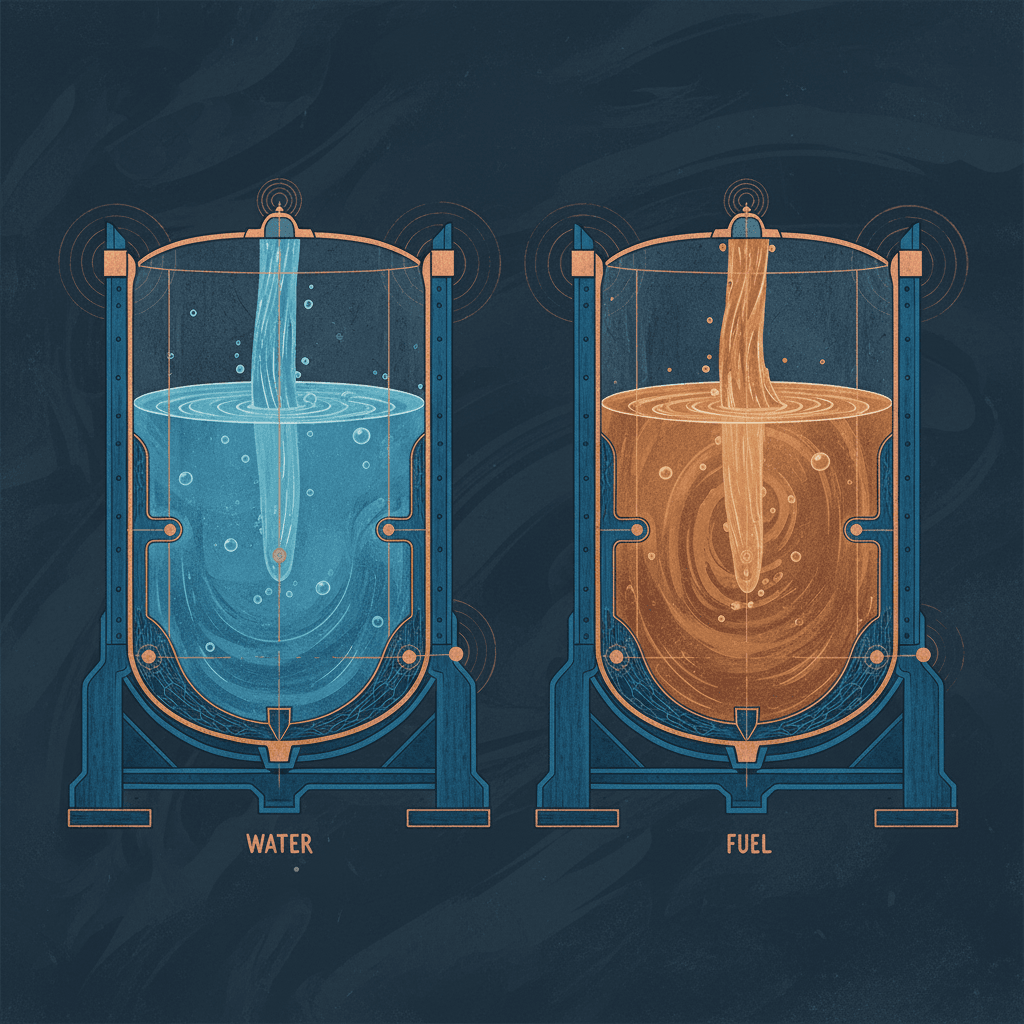
We install level, pressure, and temperature sensors in water tanks, fuel deposits, and other reservoirs, connected to Reveal via gateways.
The platform monitors levels in real time, comparing against operational thresholds and historical consumption patterns.
Reveal generates automatic alerts for low levels, atypical consumption, or drops that don't match normal usage patterns.
Consumption and trend data enable supply purchase planning based on real data instead of estimates.
A sustained level decrease indicates atypical consumption, a leak, or a replenishment system issue, anticipating shortage.
A drop that doesn't match the normal pattern may indicate a leak, unauthorized drainage, or containment failure.
A level that remains high without decreasing indicates that drainage or pumping is not evacuating properly, anticipating overflow.
Abnormal temperature changes may signal thermal risk conditions or content degradation.
Real level and consumption data enable scheduling resupply without waste or last-minute emergencies.
Early alerts for critical levels prevent shortages that could halt operations.
Atypical consumption and unjustified drops reveal leaks or unauthorized drainage.
Remote monitoring replaces visual verification rounds across distributed tanks.
Preventive water level control and electrical supervision in critical shopping center infrastructure
How a large-format shopping center's operation went from periodic manual inspections to proactive, centralized management of water tanks, stormwater systems, and substation electrical variables.
Remote supervision of confined spaces with multiple risks in critical institutional infrastructure
How an educational institution went from periodic on-site inspections to remote, continuous supervision of a confined space housing fire suppression systems, a fuel tank, and restricted access areas.